How Hydraulic System Repair Service Helps Prevent Failures Through Diagnostics
Proactive diagnostics are the most reliable way to prevent hydraulic system failures before they become expensive, unplanned shutdowns. For industrial operations throughout Cuyahoga County, OH, understanding what a full hydraulic system inspection covers, and when to schedule one, can mean the difference between controlled maintenance costs and a full production halt. Hydraulic system repair service built around diagnostics finds problems early, so repairs stay manageable and equipment keeps working.
Why Diagnostics Are the Foundation of Hydraulic System Repair
Early diagnostics reduce repair costs and protect uptime. When a technician inspects a hydraulic system before a failure occurs, small issues surface while they are still inexpensive to fix. A worn seal, contaminated fluid, or a hose showing early signs of fatigue can each trigger a cascade of damage if ignored. A diagnostics-first approach gives facilities a way to stay ahead of these failure points rather than react to them.
Cleveland, OH, area manufacturers, construction firms, and scrap processing operations run hydraulic equipment under heavy, continuous loads. That kind of demand accelerates wear and makes routine inspection especially important. Waiting for a visible breakdown is the costliest approach a facility can take.
What Does a Full Hydraulic System Inspection Include?
A complete hydraulic system inspection covers fluid condition, pressure performance, mechanical wear, and physical component integrity. Each of those areas tells a technician something different about the system's overall health.
Fluid Testing and Oil Condition Analysis
Hydraulic fluid carries force and lubricates internal components at the same time. When fluid degrades or becomes contaminated, it accelerates wear on every part it touches. A fluid sample can reveal particle counts, moisture content, and signs of oxidation, giving technicians a reliable picture of system health without removing any components.
Pressure Checks and System Performance Testing
Pressure testing confirms that pumps, valves, and cylinders are operating within their designed range. Low or inconsistent pressure often points to pump wear, internal leakage, or a failing relief valve. Catching these conditions during a scheduled hydraulic system inspection, rather than after a breakdown, keeps the repair scope narrow.
Hose and Line Inspection
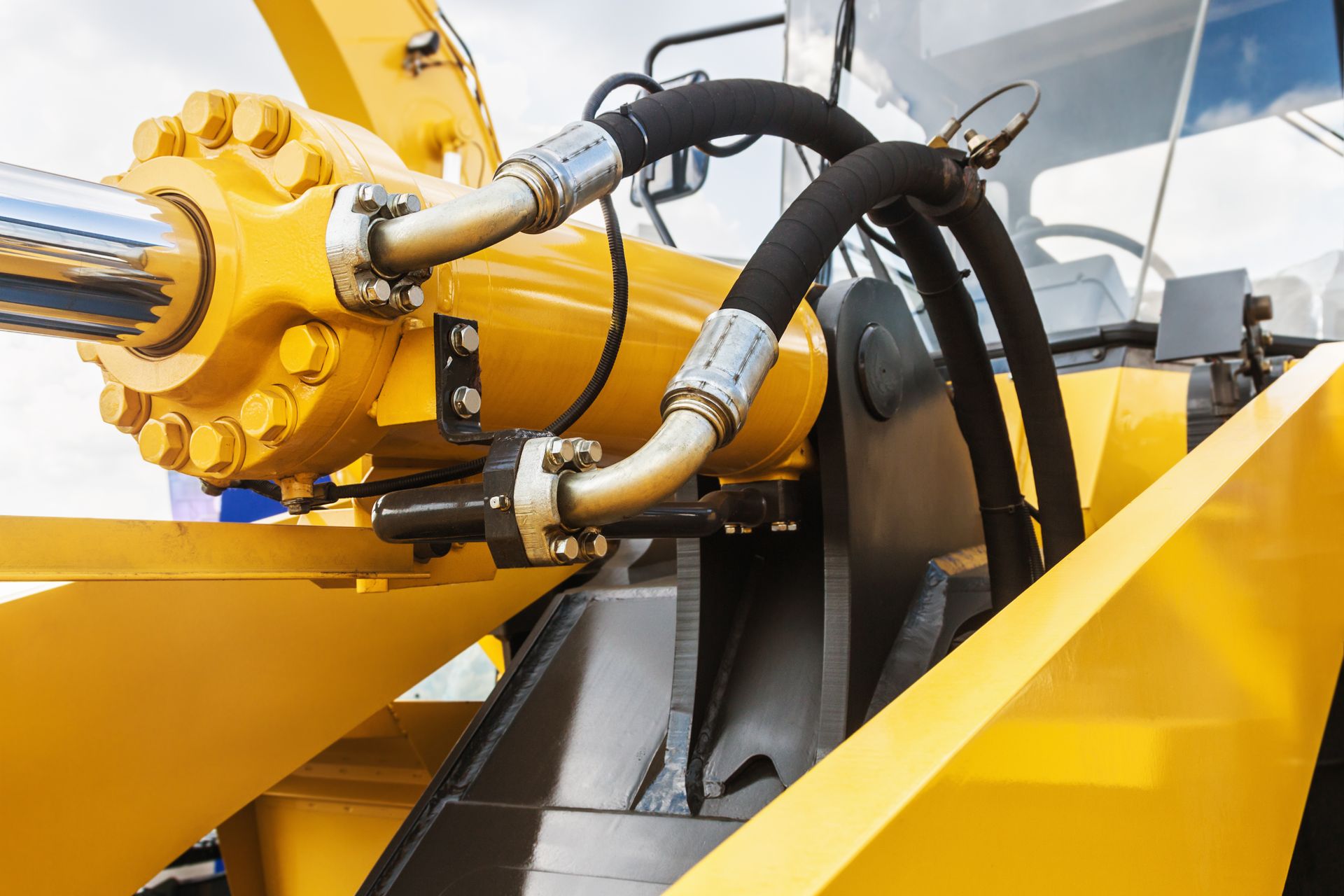
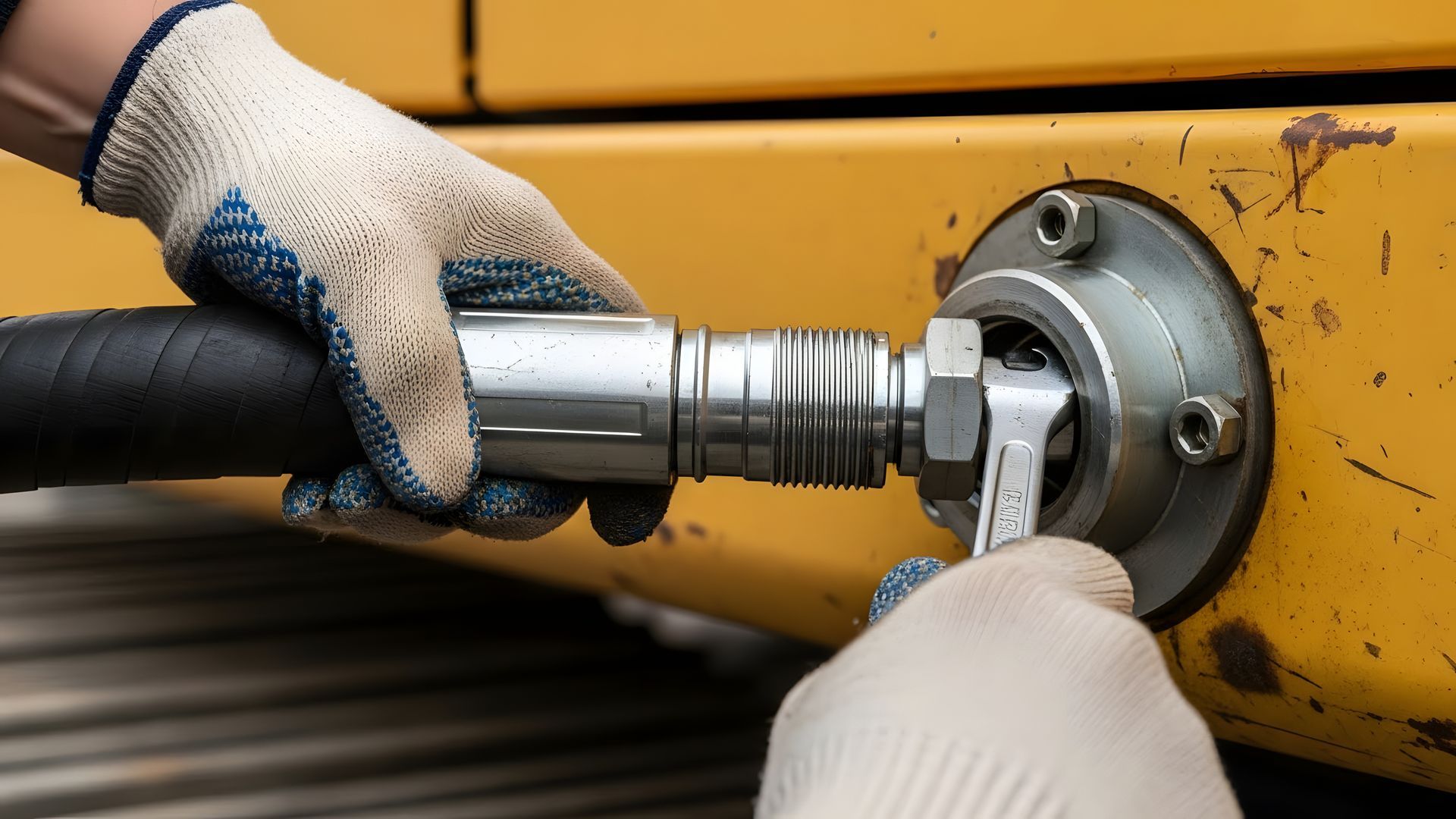
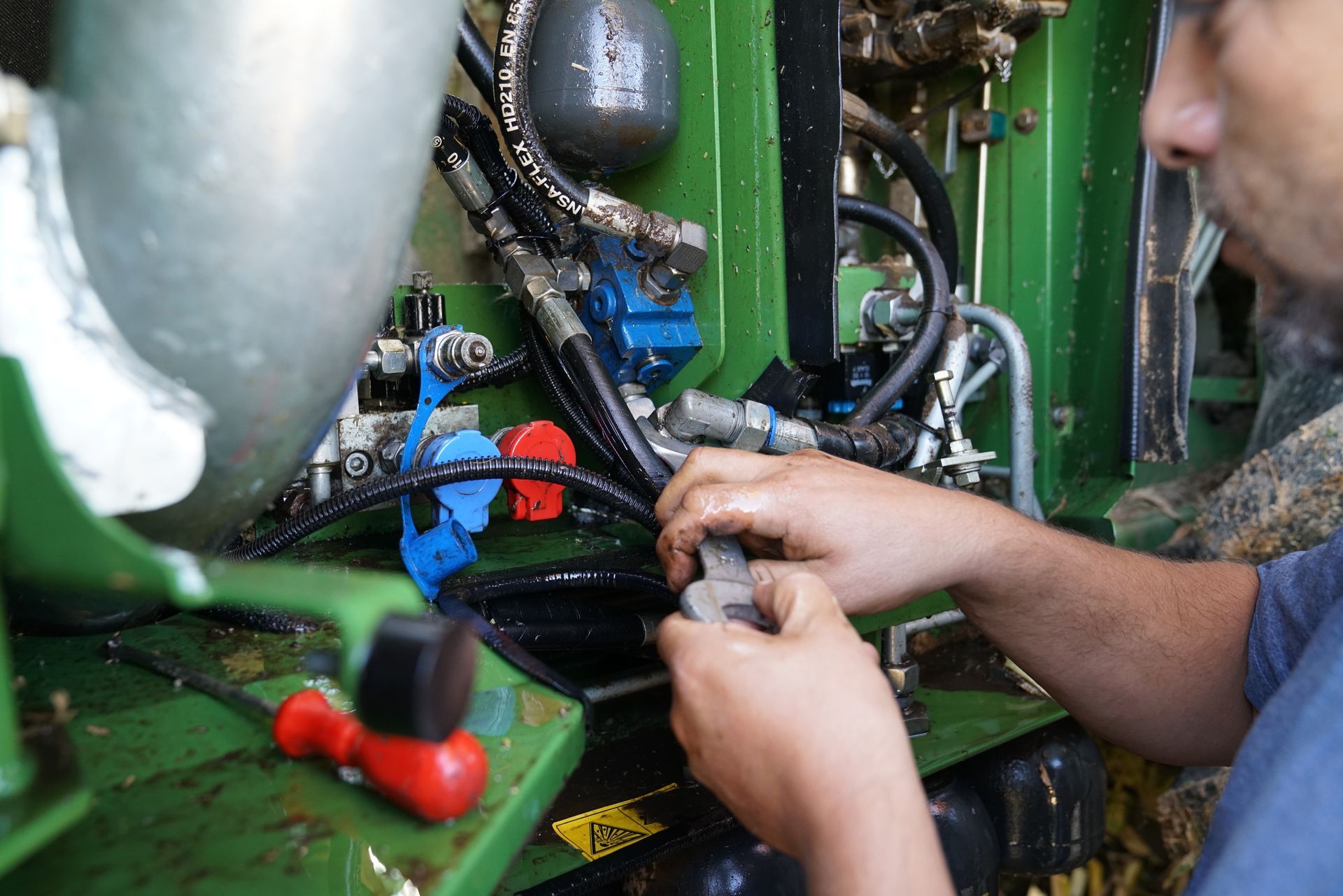
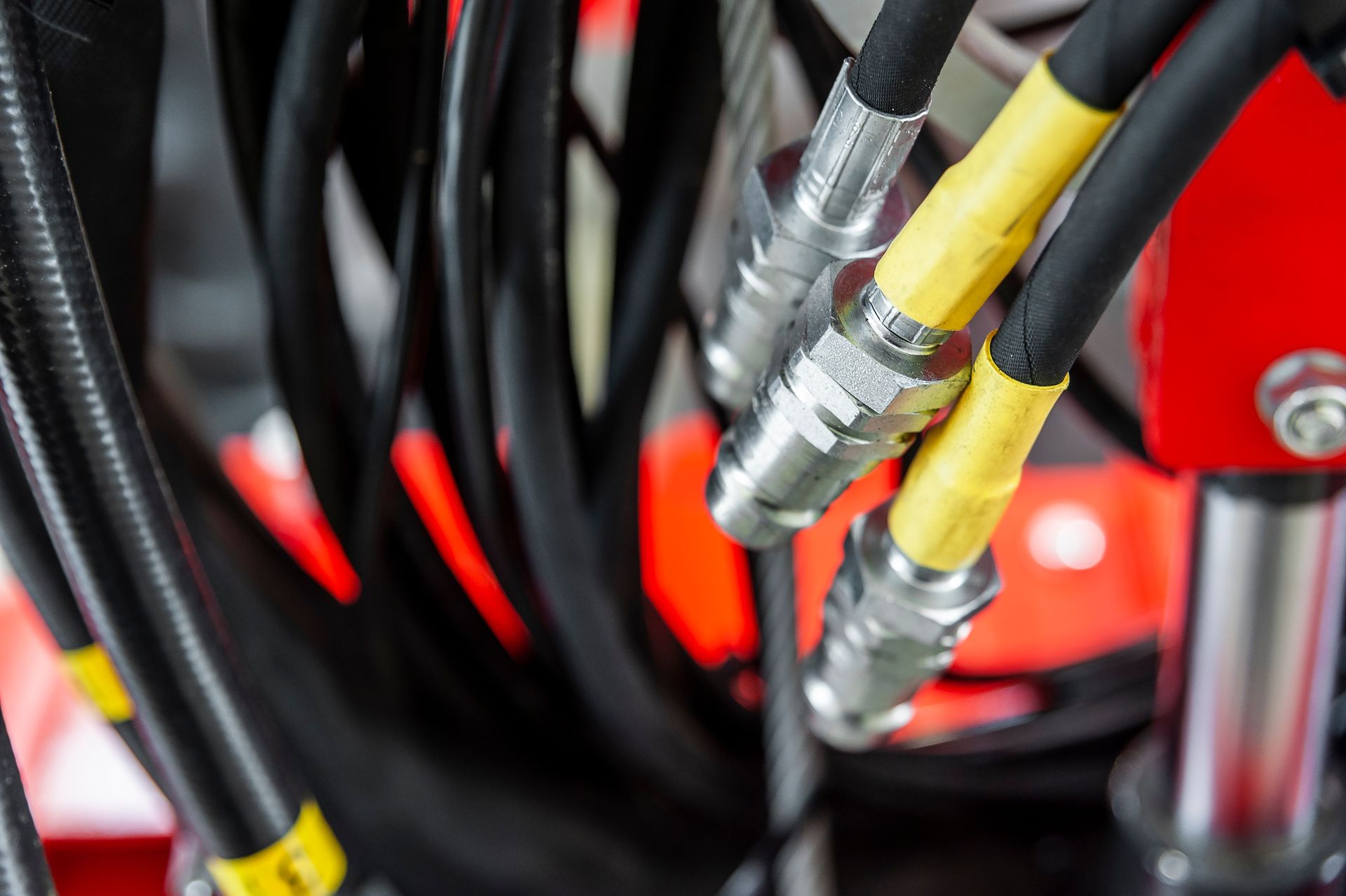
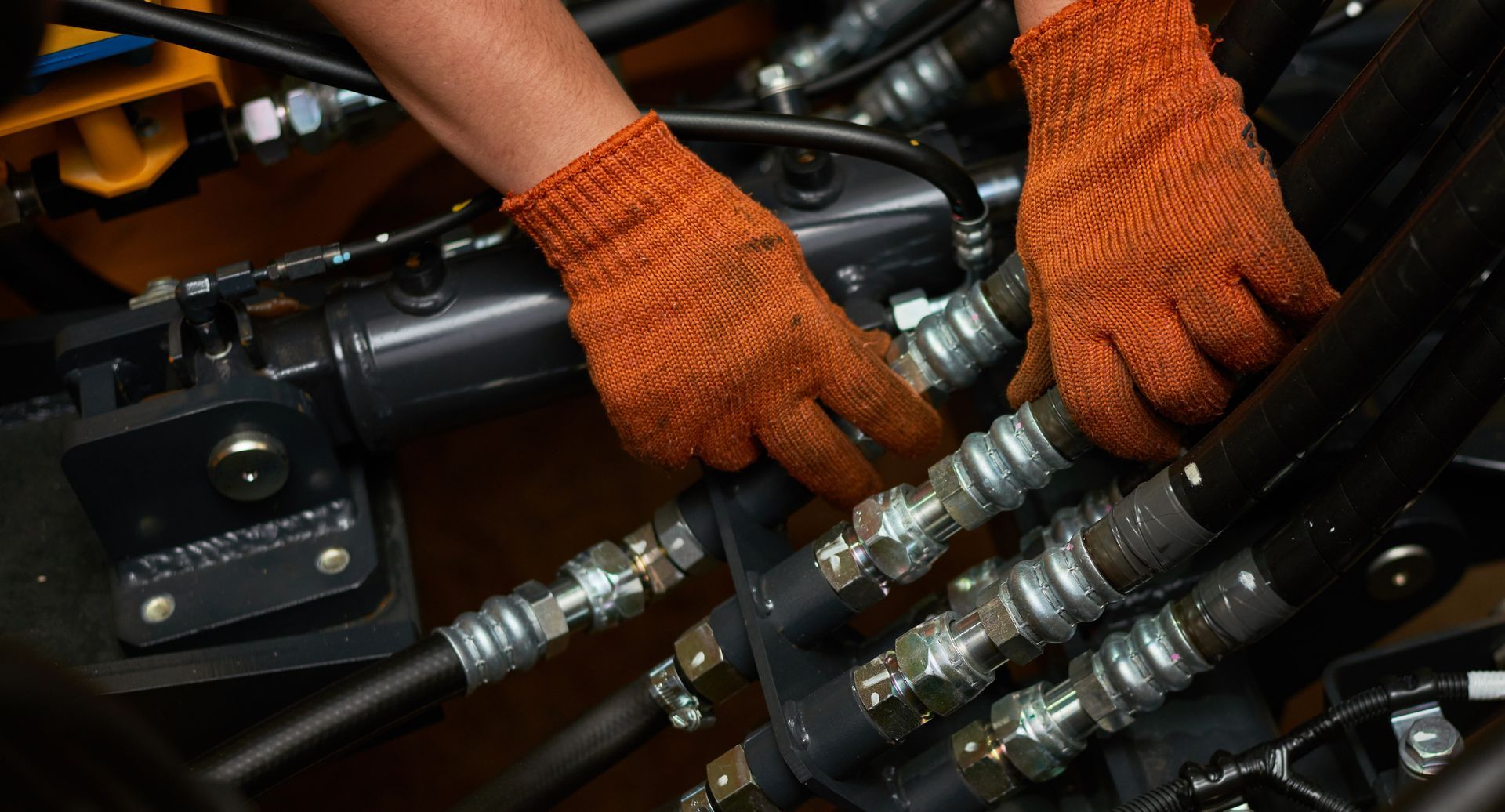
Hydraulic hoses in heavy industrial environments face constant flexing, heat exposure, and abrasion. During hydraulic system repair service, technicians look for surface cracking, swelling, abrasion marks, and fitting integrity. A hose that fails under pressure does not just stop a machine; it can create a safety hazard and contaminate surrounding components.
Component Wear Assessment
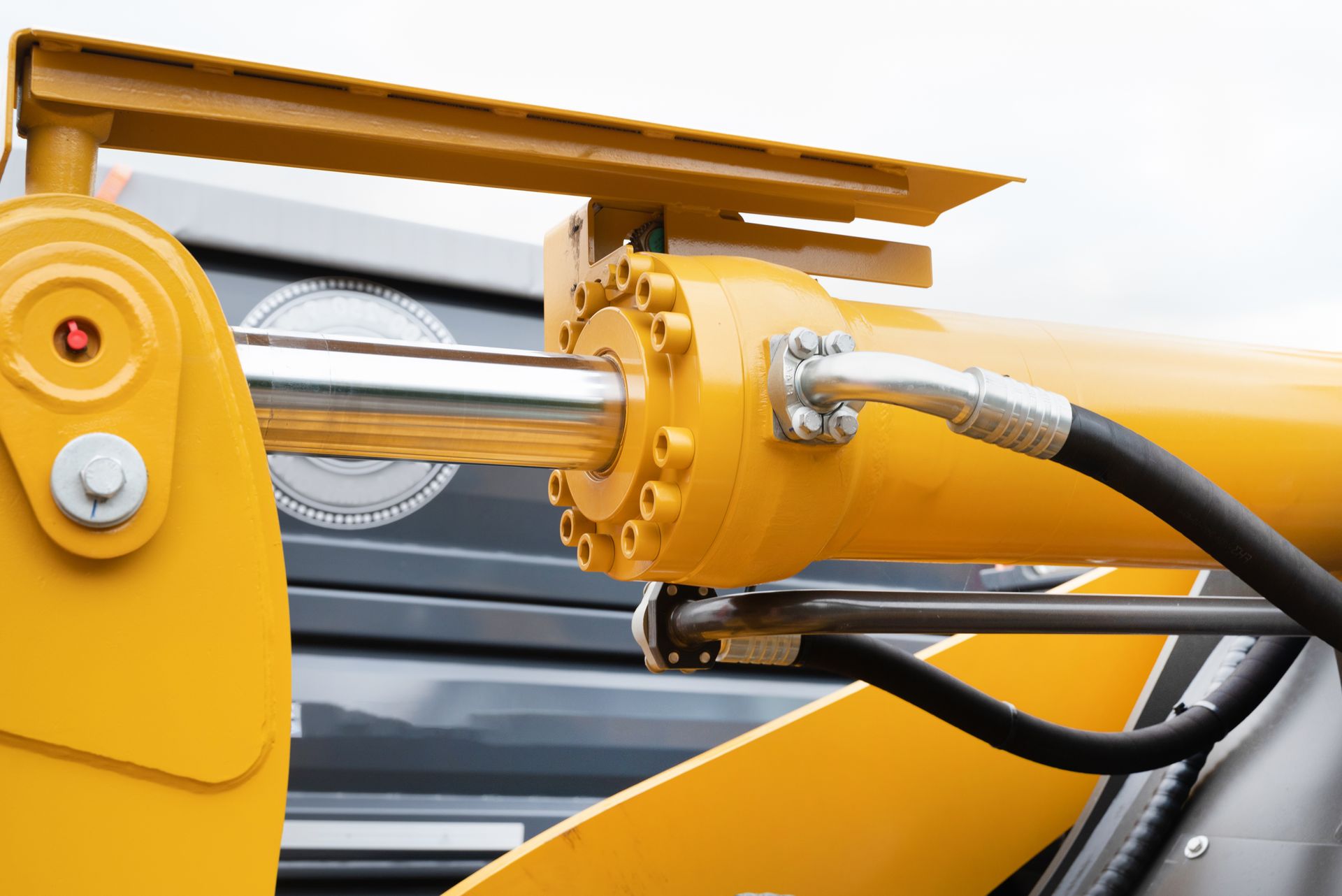
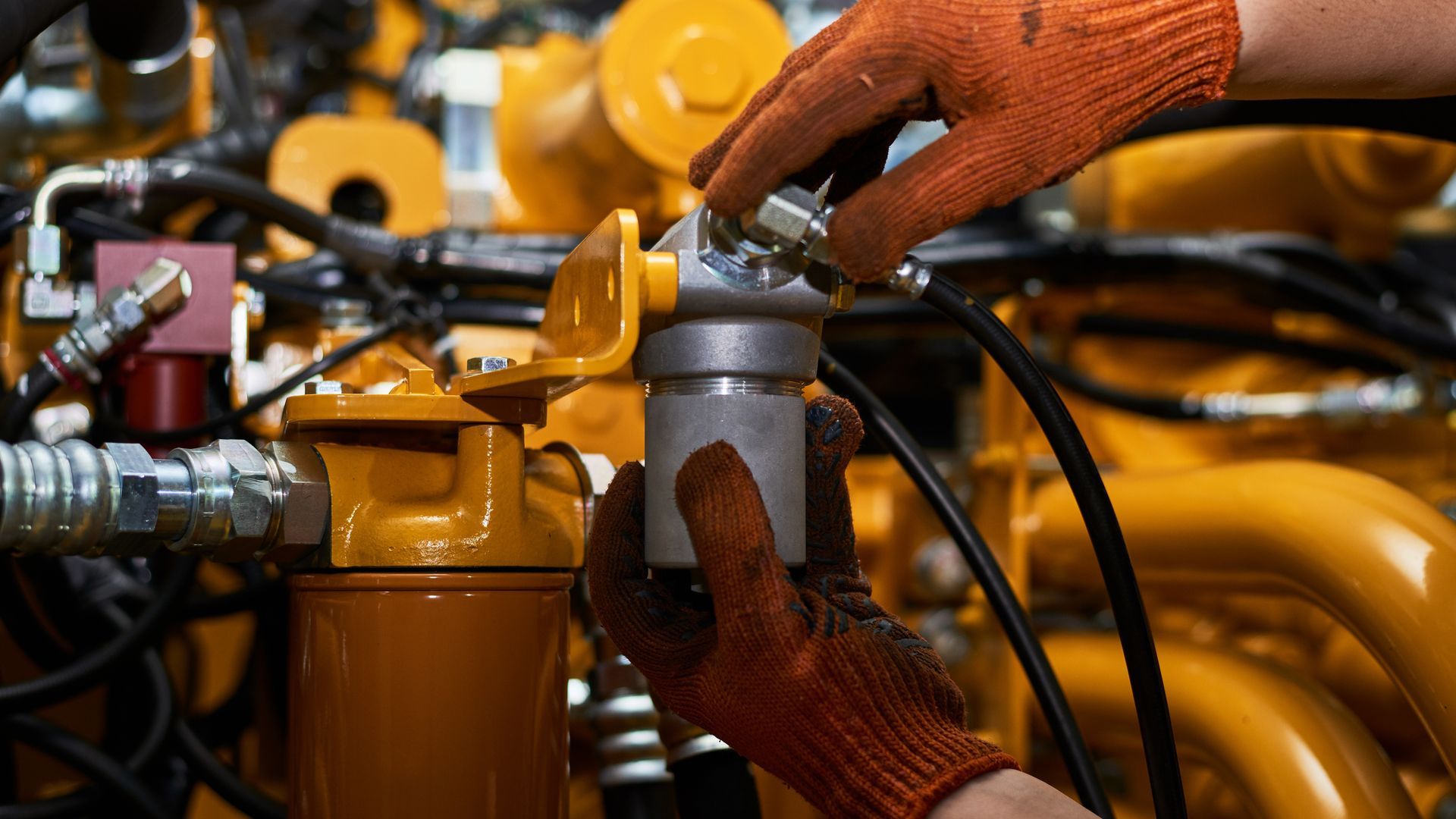
Cylinders, motors, and pumps all show wear patterns that a trained technician can measure and evaluate. Scoring on cylinder bores, shaft seal weeping, and unusual noise during operation are all indicators that a component is approaching the end of its service life. A hydraulic cylinder repair completed before a seal blows out typically costs far less than an emergency rebuild after catastrophic failure. A qualified technician handles this type of assessment as part of a structured inspection process.
Warning Signs That a System Inspection Is Overdue
Certain symptoms signal that a hydraulic system needs attention now. Recognizing these signs early can prevent a minor issue from becoming a full shutdown.
- Slow or sluggish actuator movement that has developed gradually over time.
- Unusual noise such as whining, knocking, or chattering from the pump or motor.
- Fluid that appears dark, milky, or carries a burnt odor.
- Visible external leaks at fittings, cylinder seals, or hose connections.
- System running hotter than normal during standard operating conditions.
Any one of these signs warrants a prompt inspection. Two or more appearing together often mean a failure is close. Scheduling hydraulic system repair service at the first sign of trouble prevents these symptoms from compounding into a costly production stoppage.
How Often Should Hydraulic Systems Be Inspected?
Inspection frequency depends on the industry, the duty cycle, and the operating environment. A general guideline used across Northeast Ohio industrial sectors looks like this:
- Light-duty applications: inspect every six to twelve months.
- Medium-duty manufacturing and construction equipment: inspect every three to six months.
- Heavy continuous-use operations such as steel processing or scrap handling: inspect every one to three months.
Cuyahoga County industrial facilities that run multiple shifts or operate outdoors through Ohio's freeze-thaw cycles may need to schedule hydraulic system repair service inspections more frequently. Cold weather affects fluid viscosity and puts extra stress on hose fittings and seals during startup.
Hydraulic maintenance programs can simplify scheduling by putting inspections on a fixed calendar, so nothing gets missed during busy production periods.
Frequently Asked Questions
What Does a Hydraulic System Inspection Include?
A hydraulic system inspection typically covers fluid testing, pressure checks, hose condition, and wear assessment on cylinders, pumps, and valves.
How Does Early Diagnosis Prevent Emergency Downtime?
Early diagnosis identifies developing faults before they cause failure, allowing repairs to be scheduled rather than forced by an unexpected breakdown.
Which Industries Benefit Most From Proactive Diagnostics?
Manufacturing, construction, scrap processing, and material handling operations typically benefit most due to heavy equipment demand and continuous operating schedules.
Schedule a Hydraulic System Inspection With a Team That Knows Northeast Ohio
Proactive diagnostics are one of the most cost-effective investments a Cuyahoga County facility can make in its hydraulic equipment. Identifying worn components, degraded fluid, and pressure irregularities before a failure occurs protects production schedules and keeps repair costs predictable. Serving Cleveland, OH, and the surrounding region, Dynamic Hydraulic Services Company LLC provides hydraulic system repair service designed to catch problems early and keep equipment running reliably. Request a free quote today at
Dynamic Hydraulic Services Company LLC or
contact us to schedule your inspection.